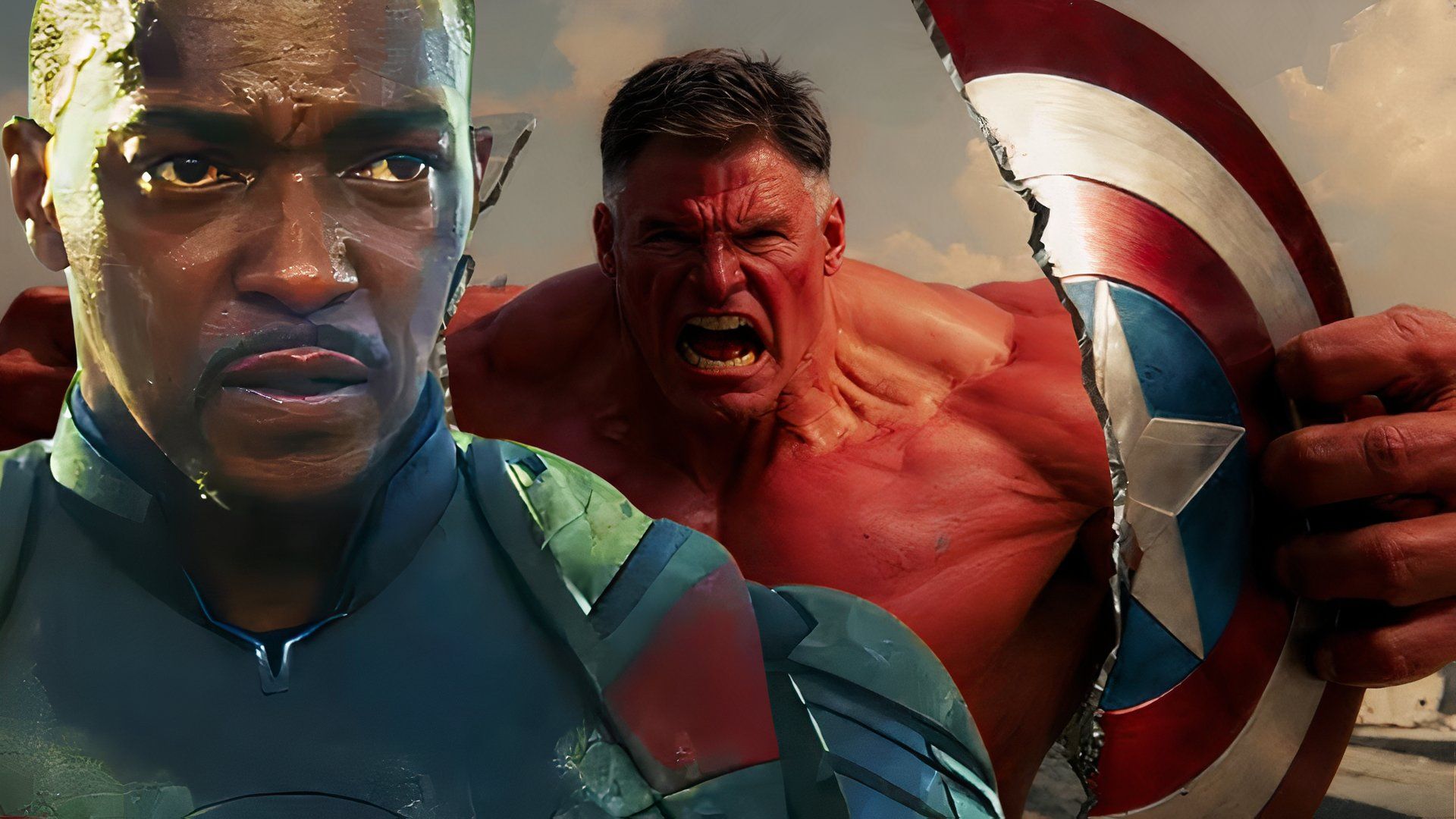
So, let's talk about the time Steve Rogers basically became a symbol for the Caribbean. Honestly, if you mention Captain America Puerto Rico to a casual Marvel fan, they might think you’re talking about a vacation spot or maybe a weird variant from the multiverse. But for folks who actually follow the deeper lore—and especially for the Puerto Rican community—this isn't just a niche trivia fact. It’s a massive cultural touchstone that actually happened in the comics.
It's real.
Specifically, we're talking about Joaquin Torres and, more famously, the 2017 Captain America: Sam Wilson run. But it goes deeper than just a costume change. When Marvel decided to lean into the Boricua heritage within the Captain America mantle, they weren't just checking a diversity box. They were tapping into a very specific, very loud history of activism.
The Puerto Rican Captain America You Probably Missed
Most people think Steve Rogers is the only guy. Then they remember Sam Wilson. But have you heard of Luciano "Lucho" Torres?
Probably not, because the name that usually pops up in these searches is actually linked to the "Captain America: Steve Rogers" and "Sam Wilson" eras where the shield represented more than just Brooklyn. In Captain America: Sam Wilson #17, written by Nick Spencer, we saw a direct nod to the Puerto Rican flag being integrated into the iconography. This wasn't some accidental color palette choice. It was a response to the real-world socio-political climate of the island at the time.
You see, the flag of Puerto Rico and the Captain America aesthetic share the same DNA: red, white, and blue, with a prominent star. It’s a natural fit, but it’s also a point of friction. For many, seeing those two things merged is a statement on the island's relationship with the United States.
Is it a colony? A state? A commonwealth?
The comics don't shy away from this. When the Captain America Puerto Rico imagery started circulating, it sparked a massive debate among fans. Some loved the representation. Others felt it was "too political," which is a hilarious thing to say about a character who literally debuted by punching Hitler in the face. Captain America has always been a political barometer.
Why the Flag Swap Caused Such a Stir
If you look at the artwork from that era, the visual of the shield being painted with the single star and the blue triangle of the Puerto Rican flag is striking. It’s bold. It’s also kinda controversial depending on who you ask.
Marvel artist Daniel Acuña and others have played with these visuals. The reason it resonates so much is that Puerto Rico has its own "superhero" history in real life. Think about the Young Lords in the 60s and 70s. They were like the real-world Avengers of East Harlem and San Juan, fighting for basic rights. When the comics acknowledge this heritage, they’re acknowledging that the "American Dream" Steve Rogers fights for looks very different on the island than it does in Nebraska.
Here's a weird detail people forget: the actual colors.
The blue in the Puerto Rican flag has changed over time. Originally, it was a dark sky blue, then it was changed to a dark navy to match the U.S. flag during the years when the flag was actually illegal to display on the island. Yeah, Google "The Gag Law" (Ley de la Mordaza) of 1948. It was a felony to own a Puerto Rican flag.
So, when a creator puts that flag on the Captain America shield? That is a massive, heavy-duty historical reference. It’s about reclaiming an identity that was once criminalized.
Joaquin Torres: The Falcon and the Island
We can't talk about this without mentioning Joaquin Torres. He’s the guy who took over the Falcon mantle while Sam Wilson was Captain America.
Joaquin is Mexican-born but has become a huge symbol for the broader Latin American community within the Marvel Universe. While he isn't "the" Puerto Rican Captain America, his presence alongside Sam Wilson during the most "political" era of the shield solidified the idea that the Captain America mythos belongs to the entire Western Hemisphere, not just the mainland U.S.
People often get confused between the different characters.
- Sam Wilson: The first Black Captain America who took a hard stance on civil rights and immigration.
- Joaquin Torres: The high-tech, genetically modified Falcon who represents the new generation.
- The "Boricua" Variants: Often seen in fan art, specialized covers, or "What If" scenarios that have gained viral traction on social media.
The Captain America Puerto Rico connection is strongest in the fan community and the "variant" market. Marvel knows this. They’ve released specialized covers for Puerto Rico Comic Con that feature Cap in San Juan, specifically at the Castillo San Felipe del Morro. Seeing Steve Rogers standing on the ramparts of a 16th-century Spanish fort is a trip. It bridges the gap between the "Old World" colonial history of the island and the modern "American" superhero trope.
The Impact on Local Culture in San Juan
If you walk around San Juan today, especially in spots like Santurce, you’ll see murals. Some of them features these comic book icons.
Why? Because the island has been through a lot. Hurricanes. Debt crises. Political upheaval. In these moments, people look for symbols of resilience. Captain America—a guy who literally never gives up and stands his ground against bullies—is a perfect avatar for the Puerto Rican spirit.
Honestly, the "Captain America: Puerto Rico" concept is more of a cultural movement than a single comic book issue. It’s about the fans taking a character they love and forcing him to reflect their reality. It’s about the fact that Puerto Ricans are U.S. citizens who serve in the military at incredibly high rates, yet often feel like second-class citizens.
When you see Cap wearing the mono-star flag, you're seeing a demand for respect.
Common Misconceptions You Should Stop Believing
Let's clear some stuff up.
First, there isn't a "Captain Puerto Rico" who officially replaced Steve Rogers in the main 616 continuity forever. It hasn't happened. Steve is still Steve. Sam is still Sam. The Puerto Rican themed Captain America is usually a variant, a tribute, or a specific story arc focal point.
Second, it’s not just "fan fiction."
Marvel has officially sanctioned artwork and stories that place these characters in Puerto Rico. They’ve used the character to address the response to Hurricane Maria. They’ve used the character to talk about the diaspora. It is "canon" in the sense that the Marvel Universe acknowledges Puerto Rico as a vital part of its world, not just a background setting.
How to Find the Best "Puerto Rico" Cap Stories
If you want to actually read this stuff, don't just search for a single book. You have to look at the runs.
Start with Captain America: Sam Wilson (2015-2017). This is where the themes of immigration and identity are at their peak. Then, look for the Marvel Voices: Comunidades anthology. This is where Marvel brings in actual Latino creators to tell these stories. You’ll find much more authentic depictions of the island there than in the old-school 70s comics where everyone sounded like a caricature.
Another hidden gem? The La Borinqueña crossover mentions. While La Borinqueña is an independent character created by Edgardo Miranda-Rodriguez, the dialogue between the indie scene and the Marvel scene is constant. Many artists who work on Cap also work on these grassroots Puerto Rican heroes.
What This Means for the Future of the MCU
With the MCU moving into Captain America: Brave New World, everyone is wondering if we’ll see more international representation.
Will we see a Captain America Puerto Rico nod on the big screen?
Probably not as a full suit change, but the seeds are there. Danny Ramirez is playing Joaquin Torres in the movies. As his role grows, the connection to the Latin American experience grows. It’s only a matter of time before the MCU acknowledges the specific complexities of the Caribbean.
Think about it. The MCU has already explored Wakanda and Talokan. Exploring the unique status of Puerto Rico through the lens of a "Super Soldier" or a "Falcon" would be a massive win for storytelling. It adds layers. It makes the world feel bigger than just New York or London.
Your Next Steps to Dive Deeper
If this intersection of pop culture and Puerto Rican identity interests you, don't just stop at a Google search.
Check out the "Marvel Voices" trade paperbacks. They are arguably the best source for seeing how different cultures are being integrated into the main Marvel line without it feeling forced.
Follow Puerto Rican comic artists. People like Alexis Ziritt or Edgardo Miranda-Rodriguez (though he does independent work) are the ones driving the conversation. Their art style often blends traditional Puerto Rican aesthetics with gritty, modern comic book vibes.
Look into the history of the 65th Infantry Regiment. Known as the "Borinqueneers," this was a segregated Puerto Rican unit in the U.S. Army. If you want to understand the real-life "Captain Americas" of the island, that’s where you start. Their bravery in the Korean War is the stuff of actual legends, and they are the true foundation for why the Captain America imagery resonates so deeply in Puerto Rico.
Stop looking at the shield as just a piece of vibranium. In the context of Puerto Rico, it's a mirror. It reflects a complicated history of loyalty, struggle, and a very specific kind of Caribbean strength that doesn't need a super-soldier serum to survive.
The story of the Puerto Rican influence on the Captain America mythos is still being written. Every time a new artist draws that lone star on the shield, they’re adding a new chapter to a story that’s over eighty years old. It’s not just about a superhero; it’s about a people who see themselves in the struggle for justice.
Go read the Comunidades special. Look at the variant covers from the 2020s. You’ll see exactly what I’m talking about. The shield belongs to everyone, but in Puerto Rico, it just hits a little different.